Lee Hsien Loong, the PM of Singapore promises to repeal section 377A of the penal code, a colonial era blanket ban that outlaws sex between men.
Previously in an attempt to appease both conservative and liberal sides in Singapore, the PM pledged to keep section 377A yet not enforce it. However he has now decided to repeal this ban, claiming it is the ‘right thing to do’ as society becomes more accepting of homosexual relationships.
Despite homosexuality becoming more accepted, at least in the Western world, Singapore is polarised on the issue and many residents support 377A and will be unhappy at this latest decision from Mr Lee.
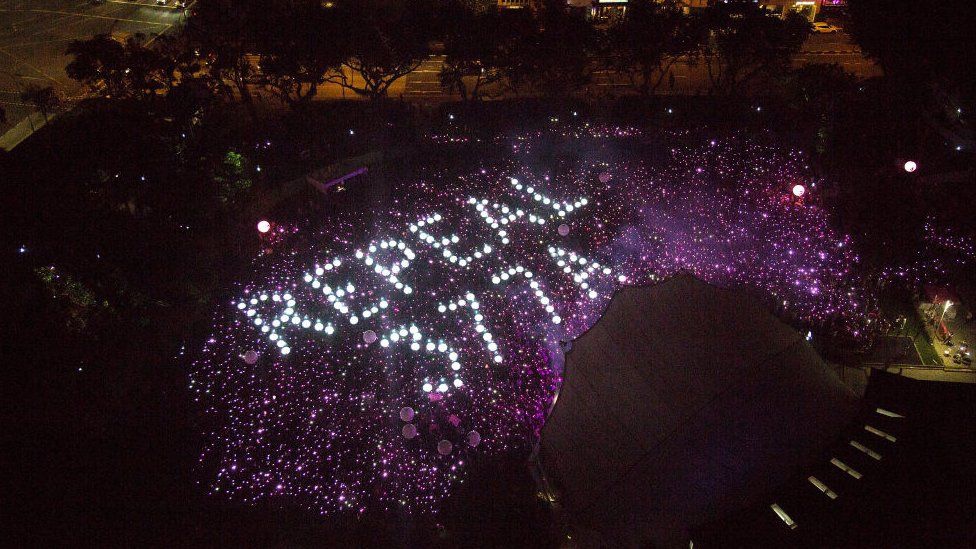
Singapore is an area where increasing support for the LGBT community can be found. A thriving LGBT scene has developed in Singapore with gay nightclubs and annual pride events and surveys show growing support for LGBT rights
Activists will be pleased by this development as they have been calling for 377A to be scrapped for years on the basis that it is discriminatory and in contradiction with Singapore’s constitution. They fear this ban leads to homophobia in general society in Singapore through a trickle down effect; any content deemed as promoting homosexuality in Singapore can be banned from broadcast – TV shows and movies have been censored/banned in the past.
Statute Spotlight: Section 377A Singaporean Penal Code
Section 377A was introduced under British colonial rule in 1938 and acts to criminalise sex between consenting male adults. 377A remained a part of the law despite a penal code review in 2007 that removed most other provisions of section 377. While 377A is the law de jure, it is de facto not enforced and there have not been any convictions for sex between men for decades.
Companies in Singapore pushed for a reform of the law for years, claiming that the archaic laws limit recruitment of potential talent.
While this move is long overdue, it is an important milestone for the LGBTQ+ community in Singapore.
A wider trend within Asia?
Singapore now pledging to repeal section 377A is part of a wider trend as noted by the PM, claiming “gay people are now better accepted” in the hope that it will “provide some relief to gay Singaporeans”.
This trend is reflected in India (whom also overturned section 377, a colonial law). Same sex partners in Thailand can now enjoy the same rights as an actual marriage without the title; they can enjoy jointly managed assets, inherited assets upon death and adoption of children with the registration of a civil union. The House of Representatives has hinted at further amendments to Thailand’s Civil and Commercial Code to remove references to sex or gender in the definition of marriage.
Taiwan has recently accepted same sex marriage, but has not yet approved adoption for all. All except Wang Chen-Wei and Chen Jun-ru are unable to adopt, yet earlier in 2022 this same-sex couple were the first couple to be permitted to adopt a child neither were related to.
This judgment has been described as a ‘miracle’ by Chen-wei. The couple along with others filed petitions at the family court in Kaohsiung city, expecting the petition to be dismissed and then go to the Supreme Court to attempt a forced changed in the law. To their surprise, the family court ruled in their favour on the basis of the best interest of their daughter.
However, this is an ongoing issue for other same sex couples in Taiwan who have not been granted the same adoption rights.

This is a surprising caveat considering Taiwan in 2019 became the first jurisdiction to legalise same-sex marriage in the region. This restriction on adoption for same sex couples does not extend to heterosexual couples and activists note this loophole as a blot on the progressive reputation of the island.
It is thought that Taiwan stopped short of providing a full set of rights to same-sex couples due to opposition from anti-LGBTQ+ groups.
What next for Singapore?
Discrimination will not simply diminish with the removal of section 377A, repealing this legislation offers a taste of equality for gay Singaporeans, yet falls short of offering a full set of rights.
Singaporeans still face homophobia entrenched in law and society; plenty of residents will be unhappy with this move and even the courts earlier this year refused to grant the removal of section 377A. Attitudes do not change overnight – it will be a lengthy struggle to achieve equal rights. Homosexual couples do not and will not enjoy the same rights as heterosexual couples. Undoubtedly, attitudes are changing, yet it is not certain at what pace these attitudes will change and how soon we can expect to see a reflection in the law.
While there is still progress to be made, this wave of advancement in LGBT rights in Asia is certainly welcomed. It is exciting to see how much further this will develop.
 Legal Lens